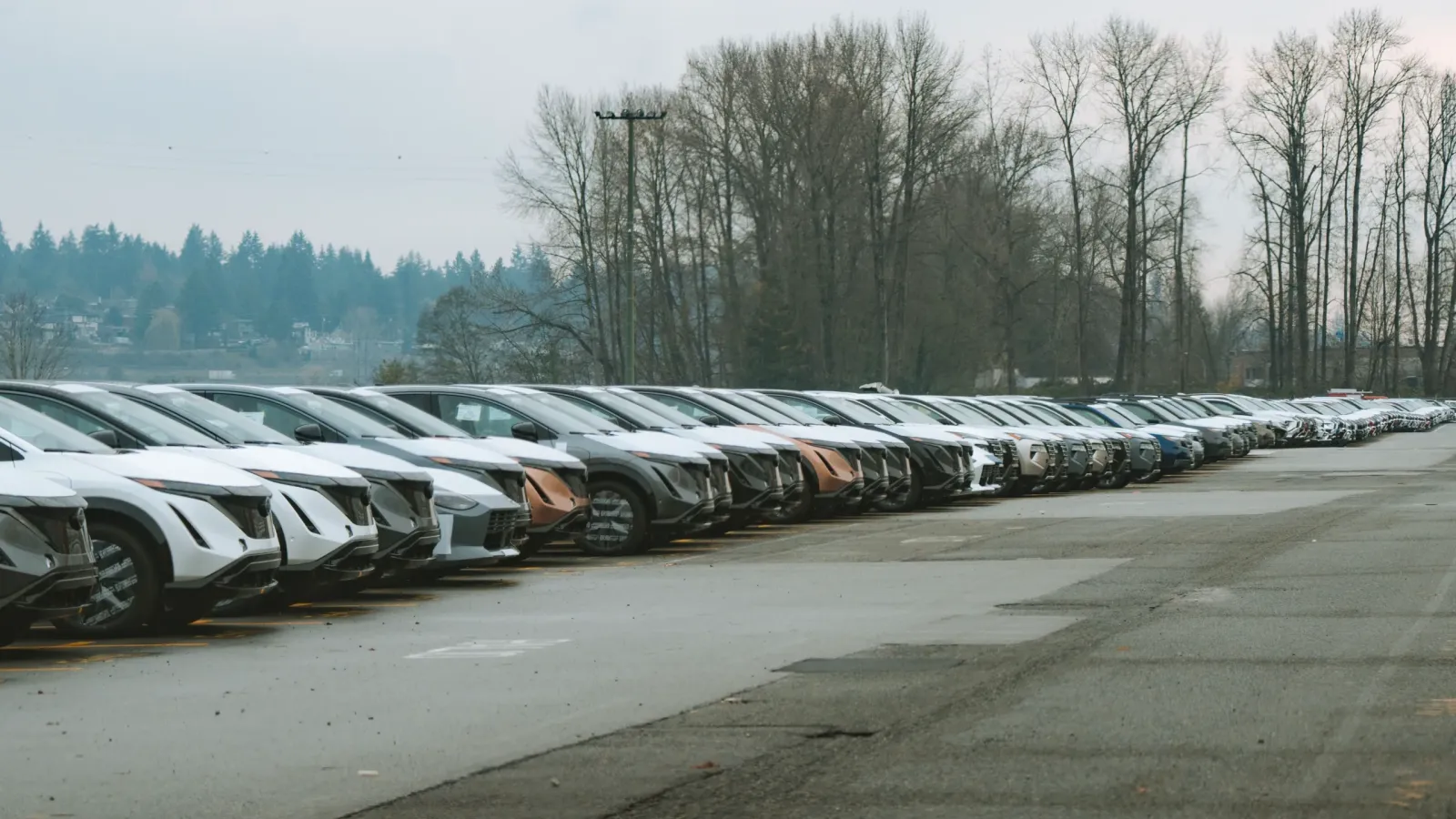
AML/CTF prevention system for vehicle dealerships in Peru
In Peru, companies that sell new vehicles priced at US$15,000 or more per unit, or new vessels priced at US$10,000 or more, must implement a SPLAFT. They are supervised by Peru's Financial Intelligence Unit (UIF-Perú). The Anti-Money Laundering and Counter-Terrorist Financing Prevention System (SPLAFT) is set out in article 40 of SBS Resolution 789-2018. It applies to individuals operating a business and to legal entities, regardless of size.
Selling a new car involves large sums and leaves behind an asset that is easy to resell. According to GAFILAT (the Financial Action Task Force of Latin America), only banks and notaries rank above the vehicle trade as a money laundering channel in the region (2025 typologies). If you sell even one new model priced at US$15,000 or more, your dealership is already an obligated entity.

Is your dealership an obligated entity under the SPLAFT?
| Scenario | Condition or threshold | Supervisor | Regulation |
|---|---|---|---|
| Sale of new vehicles | Price of US$15,000 or more per unit | UIF-Perú | Art. 3, item 11, and art. 40 |
| Sale of new vessels | Price of US$10,000 or more per unit; gross tonnage under 100 | UIF-Perú | Art. 3, items 11 and 18, and art. 40 |
| Suspicious transaction reporting | Any amount | UIF-Perú | Art. 23 |
A vehicle counts as new if it is unused, has up to 100 km on the odometer and has a recent manufacturing or model year (art. 3, item 51). Sales of used vehicles fall outside this chapter. A business with several obligated activities implements a single SPLAFT (art. 4.6).
Elements of the SPLAFT at a dealership
- Compliance Officer: an individual with experience in the sector or in AML/CTF prevention and a direct relationship with the company (art. 6). The general manager may hold the role only in MEPECO companies (medium and small taxpayers registered with SUNAT, Peru's tax authority) with up to ten employees (art. 5.5).
- Buyer due diligence: identity, occupation, PEP (politically exposed person) status and purpose of the purchase. If the buyer pays in cash above the threshold, the source of funds as well (art. 16.1).
- Enhanced regime: mandatory for non-residents, non-domiciled companies, trusts, PEPs and their relatives, and persons under investigation for money laundering (art. 16.2).
- Beneficial owner and suppliers: identify who controls the purchasing company and know your suppliers (arts. 14 and 18).
- Prevention manual and code of conduct: approved, communicated and kept up to date (art. 24).
- Training: at least once a year, plus onboarding for new staff within 30 days (art. 20).
ROS, transaction records and deadlines with the UIF-Perú
| Obligation | To whom | Deadline |
|---|---|---|
| Transaction record (RO) | UIF-Perú, via the PLAFT Portal (the UIF-Perú's online reporting portal) | Recorded on the day of the transaction; submitted at the frequency set by the SBS (the banking and insurance regulator) |
| Suspicious transaction report (ROS) | UIF-Perú, via ROSEL (the online suspicious transaction reporting system) | No later than 24 hours after it is classified as suspicious |
| Designation of the Compliance Officer | UIF-Perú, via SISDEL (the electronic system for registering Compliance Officers) | 15 business days from designation |
| Removal or vacancy of the officer | UIF-Perú, via SISDEL | 5 business days; the position may remain vacant for no more than 30 days |
| Compliance Officer's annual report (IAOC) | UIF-Perú, via the PLAFT Portal | Approved within 30 days and submitted by February 15 |
The dealership's transaction record (RO) logs the total sale price. The relevant date is that of the sales receipt or the first payment (art. 40, item 10). Records must be kept for at least five years (art. 31).
Red flags in vehicle sales
- Cash payment with no explanation of where the money came from.
- A buyer acting for a third party or asking for the invoice to be issued in someone else's name.
- A customer who buys several pickups or SUVs within a few weeks with no business to explain it.
- Partial payments from payers with no connection to the buyer.
- A non-resident buyer or non-domiciled company with no clear purpose for the purchase.
- A purchasing company with no identifiable beneficial owner.
Penalties for failing to comply with the SPLAFT
If your dealership is a legal entity, a very serious infraction can cost it from 7 to 100 tax units (UIT); a serious one, from 2 to 20 (art. 17). Penalties are imposed by the Superintendency of Banking, Insurance and Private Pension Funds (SBS), through the UIF-Perú, under the Regulation on Infractions and Penalties of SBS Resolution 8930-2012. For an individual operating a business, fines range from 0.15 to 15 UIT.
How Líderes APLA implements the SPLAFT at dealerships
- Assessment: the units and prices you sell, the status of your officer in SISDEL and a list of gaps.
- Risk matrix and buyer scoring: by model, payment method, financing and non-domiciled buyers.
- Manual and code of conduct: buyer form, source of funds for cash payments and the RO procedure, as part of our AML/CTF consulting.
- Tools: AplaSoft screens every buyer against watchlists.
- Training: for the officer, sales floor staff and cashiers, with e-learning courses. See the Peruvian regulations and the glossary.
We have advised automotive dealerships in Peru.
Do you sell new cars or vessels above the threshold? Let's talk about your dealership's SPLAFT, at no cost and with no commitment.
Updated: October 2026.
Frequently asked questions
Is a dealership that sells cars priced under US$15,000 obligated?
Can I set a lower recording threshold?
Does my dealership need a SPLAFT audit?
What if my dealership already has a prevention manual?
Tell us what your company needs
Fill in the form and a specialist will get back to you shortly with the scope for your sector. Free of charge and with no commitment.