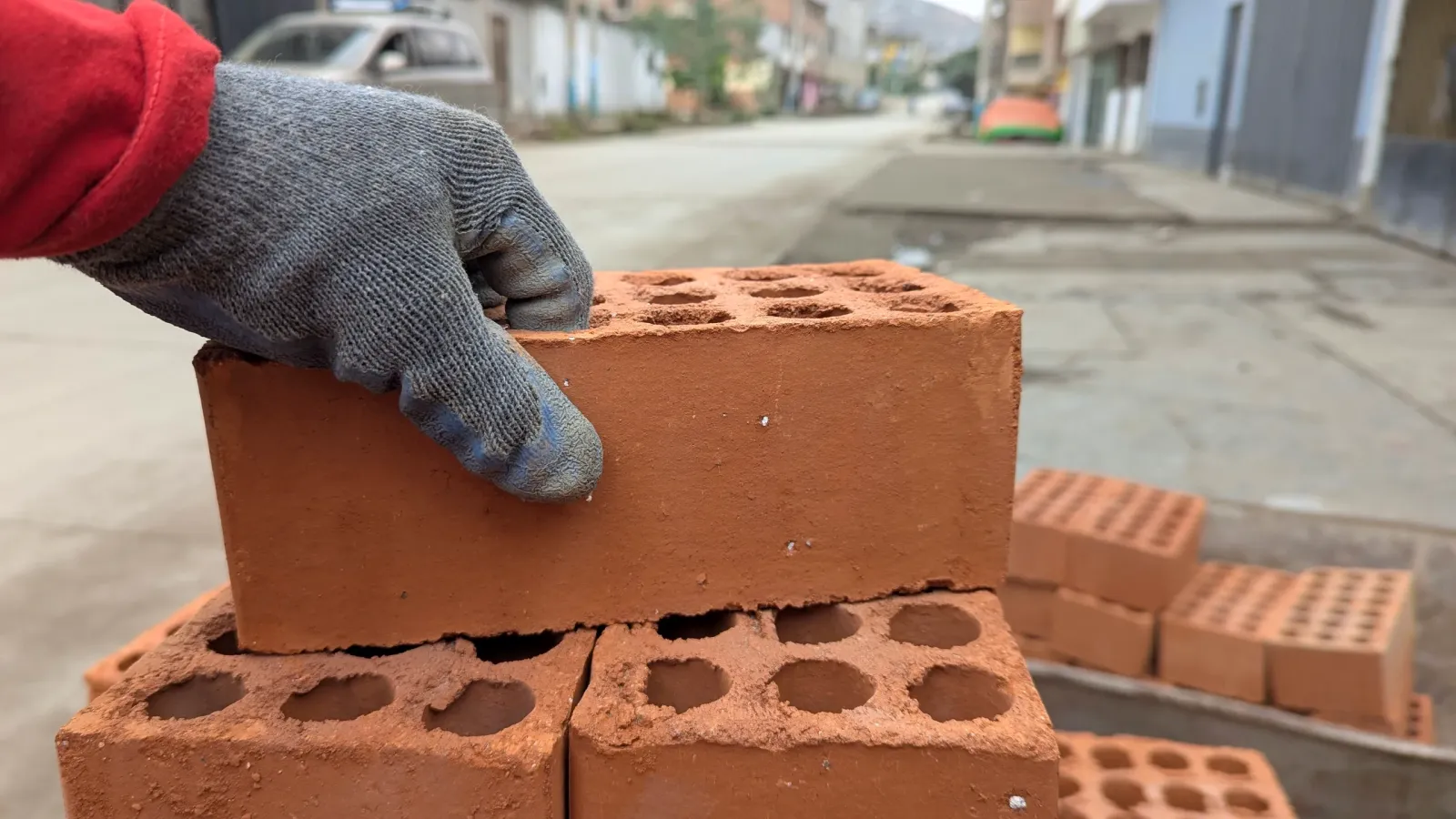
AML/CTF prevention system for real estate companies, builders and real estate agents
In Peru, construction companies, real estate companies and real estate agents are obligated entities. They must implement an anti-money laundering and counter-terrorist financing prevention system (SPLAFT). They are supervised by Peru's Financial Intelligence Unit (UIF-Perú), part of the Superintendency of Banking, Insurance and Private Pension Funds (SBS). The obligation stems from Law 29038, art. 3.1, items 13 and 14, implemented by articles 36 and 41 of SBS Resolution 789-2018.
The UIF-Perú's sector risk assessment rates the sector's risk as medium-high. Between 2018 and 2023, suspicious transaction reports (ROS) mentioning construction and real estate companies accounted for 11.4% of the total amount reported. No sales threshold exempts your company. Líderes APLA brings the system to the sales office and the construction site: reservation deposits, down payments and build-to-order construction contracts.
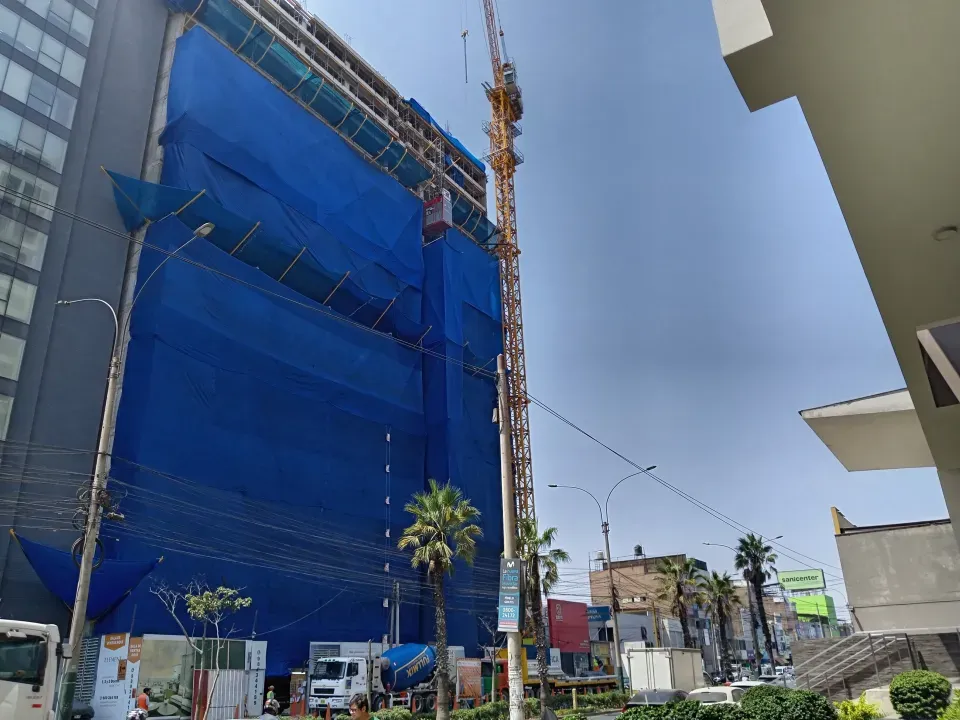
Is your company obligated under the real estate SPLAFT?
| Scenario | Condition or threshold | Supervisor | Regulation |
|---|---|---|---|
| Construction company | New residential, office or commercial building work commissioned by a third party other than the State | UIF-Perú | SBS Res. 789-2018, art. 41 |
| Real estate company | Purchase and sale of real property for consideration | UIF-Perú | SBS Res. 789-2018, art. 41 |
| Real estate agent who is an individual with annual fees under 97 tax units (UIT) | General SPLAFT with reduced provisions | UIF-Perú | SBS Res. 789-2018, art. 36.1 |
| Real estate agent earning more than 97 UIT, or a legal entity | Full general SPLAFT | UIF-Perú | SBS Res. 789-2018, arts. 36.2 and 36.3 |
Real estate agents must hold a current registration with the Ministry of Housing. There is no sales threshold: carrying out the activity is enough.
Elements of the SPLAFT in the real estate sector
- Compliance Officer: may serve without exclusive dedication.
- Knowing the customer and the beneficial owner: in construction, the customer is whoever commissions the work; at a real estate company, the buyer. The enhanced regime is mandatory for non-residents, trusts and politically exposed persons (PEPs), among others (art. 16.2.2).
- Transaction record (RO): from US$30,000 for lots and from US$100,000 for homes, offices, retail units, parking spaces, storage units and new construction. The total amount is recorded on the date of the contract, the receipt or the first payment, whichever comes first.
- Knowing suppliers and employees: every obligated entity must know its directors and employees. Construction and real estate companies must also know their suppliers (art. 41).
- Manual and code of conduct: sector-specific policies and role-based training.
ROS, transaction records and deadlines with the UIF-Perú
| Report | To whom | Deadline |
|---|---|---|
| Suspicious transaction report (ROS) | UIF-Perú, via ROSEL (the online suspicious transaction reporting system) | Within 24 hours of being classified as suspicious (art. 23.1) |
| Transaction record | UIF-Perú | At the frequency set by the SBS (art. 22.4) |
| Compliance Officer's annual report (IAOC) | UIF-Perú, via the PLAFT Portal (the UIF-Perú's online reporting portal) | By February 15 of the following year (art. 26.3) |
| Designation of the Compliance Officer | UIF-Perú, via SISDEL (the electronic system for registering Compliance Officers) | 15 business days |
A ROS has no minimum amount. Each buyer's file must be kept for at least five years (art. 31).
Red flags in real estate and construction companies
The ones most often cited in real estate ROS filed from 2018 to 2023, according to the UIF-Perú:
- A customer who is unusually unconcerned about the risks or costs of the transaction.
- Terms or amounts that do not fit the buyer's profile.
- A buyer who pays the reservation deposit, down payment and balance entirely in cash.
- Transactions split up to avoid the transaction record.
- A customer who withholds information or provides inconsistent details.
- Purchases close together in time by related buyers, or on behalf of minors or non-residents.
Penalties for failing to comply with the SPLAFT
A final penalty is published on the SBS website for two years (SBS). The SBS, through the UIF-Perú, imposes penalties under the Regulation on Infractions and Penalties (SBS Res. 8930-2012): from 7 to 100 UIT for a very serious infraction by a legal entity (art. 17). If you pay without appealing, you pay 75% (art. 19).
How Líderes APLA implements the real estate SPLAFT
We have advised the construction and real estate sector in Peru.
- Assessment: we determine whether you are a construction company, a real estate company or an agent, and which article applies to you.
- Matrix and scoring: by project, property type and payment method, with buyer and supplier profiles.
- Manual and code of conduct: profile forms for the buyer and for the customer commissioning the work, and sworn statements from staff.
- Compliance Officer: support with SISDEL, the transaction record, the ROS and the IAOC. List and PEP screening in AplaSoft.
- Training: for the officer and the sales team, with e-learning courses.
It is part of our AML/CTF Consulting in Peru. Regulations: regulatory framework; acronyms: glossary.
Preparing a project pre-sale or your first IAOC? Let's review your construction or real estate company's SPLAFT: the initial assessment is free.
Updated: October 2026.
Frequently asked questions
From what amount is the sale of an apartment recorded?
Does an independent real estate agent need a Compliance Officer?
How often is the AML/CTF risk assessment updated?
What if my real estate company already has a prevention manual?
Tell us what your company needs
Fill in the form and a specialist will get back to you shortly with the scope for your sector. Free of charge and with no commitment.